MODCHQ - SET UP AND MAINTENANCE
Ó UNCTAD – SITE (V1.15)
10.16
A predefined rule may be inserted in the Commodity Code to modify the normal calculation of
duties and taxes. The rule could be defined to charge an excise duty or do a duty comparison to
charge a higher or lower tax based on two different bases.
A full explanation of rules, their syntax and use, is given in Appendix A.
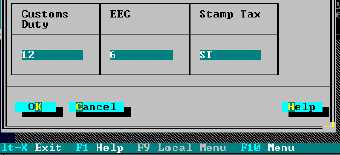
Fig. 10.13 MODCHQ : Functions: Database Management: Customs Tariff: Commodity Code: update
Duty and Tax rates applicable to the commodity Code must be inserted using this screen. An actual
rate can be inserted in the column or a General Note defined under the option previously explained
in this section under Tariff components.
Commodity Code management can also be undertaken using the ‘Simplified
Update’ Tariff option explained later in this document .
Customs Procedure
Customs Procedure Codes (CPC) is used to identify the Customs regimes to which are goods are
being entered and from which they have been removed. The CPC signals to the system whether
the declaration is for an import, an export, transit, or any other circumstance possible in a Customs
environment. The Code identifies to the system how the data input from the declaration is to be
handled and how the declaration is to be processed.
The menu options under 'Customs Procedure' are:
·
Model of declaration;
·
General Customs Procedure;
·
Previous Procedure;
·
Requested Procedure;
·
Action;
·
Extended Procedure Code;
·
Additional Code;
·
Agreement;
·
Offences.